Articles

Administrative Judiciary in Saudi Arabia: A Comprehensive Guide for Business Owners and Investors

The administrative judiciary in Saudi Arabia has established a fair and reliable legal framework that safeguards the interests of both Saudi and foreign business owners and investors. Ensuring that government and administrative bodies are subject to the rule of law provides a transparent environment that fosters trust and investment.

In this guide, we will explore the key aspects of the administrative judiciary in Saudi Arabia, including the role of the Board of Grievances in protecting rights, the conditions for filing lawsuits before the Board, the statute of limitations, and strategies to avoid the lapse of a claim.

What is the Administrative Judiciary in Saudi Arabia?

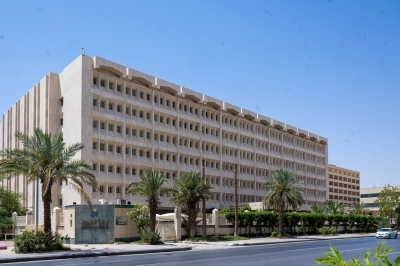
The administrative judiciary in Saudi Arabia is a specialized branch of the judicial system that resolves disputes involving the government or any of its institutions. Its primary role is to protect both individuals and organizations from unlawful decisions, actions, or violations that may infringe upon their rights. The administrative judiciary is represented by the Board of Grievances, which serves as the cornerstone of administrative justice in the Kingdom.

What is the Board of Grievances?

The Board of Grievances is an independent judicial authority dedicated to administrative judicial matters, with its headquarters in Riyadh. It is directly affiliated with the King, ensuring its full independence from executive bodies. The Board is composed of a President, one or more Vice Presidents, a panel of judges, as well as legal researchers and administrative staff.

Established more than 70 years ago, the Board was created to address citizens’ complaints against government agencies and to serve as a safeguard against administrative abuse. It reinforces the principle of legality by ensuring that government bodies are also subject to the law, thereby promoting justice and equality between individuals and public authorities.

To regulate its framework and procedures, the Kingdom issued the Board of Grievances Law under Royal Decree No. (M/78) dated 19/9/1428 AH, which defines its formation, courts, and the appointment of judges. Additionally, the Board of Grievances Procedure Law, issued by Royal Decree No. (M/3) dated 22/1/1435 AH, governs all aspects related to the filing and processing of administrative lawsuits.

What are the jurisdictions of the Board of Grievances?

The Board of Grievances exercises jurisdiction over several areas, including:

Administrative Judiciary: Covers appeals against administrative decisions, disciplinary cases involving public employees, compensation claims against administrative bodies, and disputes related to administrative contracts.

Commercial Judiciary: Handles commercial disputes in which one of the parties is a government entity.

Summary Judiciary: Disciplinary Judiciary: Handles disciplinary cases filed by the competent authority against public employees for breaches of duty or professional misconduct.

Judicial Enforcement: Enforces its own judgments as well as those issued by other bodies if referred to it.

What are the conditions for litigation in the Board of Grievances?

For a case to be accepted before the Board of Grievances, certain conditions must be met. These conditions determine whether the case can proceed or should be rejected. The key requirements include:

Jurisdiction: The case must fall under the jurisdiction of the Board. Otherwise, it will be transferred to the competent court.

Personal Harm: The case must be filed by the harmed party, whether a natural person or a legal entity, that has suffered actual harm .

Final Administrative Decision: The contested decision must have been issued by a competent administrative authority and must be final.

No Previous Final Judgment: The case must not have been previously adjudicated with a final ruling.

Respecting Deadlines:  In annulment cases, the claim must be filed within 60 days of becoming aware of the decision.

In compensation or damages cases, the claim must be filed within ten years from the occurrence of the damage.

Prior Administrative Grievance: In certain cases, the claimant must first file a grievance with the administrative authority itself and wait for a response before escalating the matter to the Board.

Filing Requirements: When submitting a claim through the Board of Grievances’ online platform, all required information must be provided, including the details of the parties, facts of the case, evidence, and supporting documents.

What is the Statute of Limitations?

The statute of limitations refers to the expiration of the right to file a claim after a specific period of time determined by law, during which the right holder fails to exercise or claim it. In practical terms, if you have a legal right against a government entity—or even an individual—and you do not claim it within the legally prescribed timeframe, your case will be dismissed.

The statute of limitations plays an important role in maintaining legal stability, as disputes and cases cannot remain open indefinitely. It also encourages rights holders to claim their rights within a specific and reasonable timeframe.

Why is Administrative Justice Important for Investors and Business Owners?

Administrative justice provides a fair, transparent, and secure legal framework that protects the rights of both Saudi and foreign investors and business owners. Its importance is highlighted in the following ways:

Protection from Arbitrary Decisions: If an unjust or discriminatory administrative decision is issued—such as the withdrawal of a work permit or the unjustified refusal of a license—the investor can appeal before the Board of Grievances to restore their rights.

Safeguarding Contractual Rights: When investors enter into contracts with government entities—whether through tenders, partnerships, or major projects—the administrative judiciary ensures that these contracts are honored. If a government body breaches the contract, the Board of Grievances provides a legal pathway for redress.

Right to Compensation: Investors can claim full compensation if any unlawful administrative decision or action causes them financial losses.

Ensuring Rule of Law: The administrative judiciary guarantees that investors are treated according to the law and established regulations, rather than the personal discretion of individual employees or administrative bodies.

Oversight of Government Agencies: By subjecting government bodies to judicial oversight, administrative justice reduces arbitrary decisions that may negatively impact investors and business owners, thereby fostering a healthier business environment.

Finally, the Administrative Judiciary in Saudi Arabia is more than just a legal framework—it is a safeguard of justice, transparency, and trust. For investors and business owners, it ensures protection, accountability, and a stable environment for confident growth.

If you have questions about filing a case with the Board of Grievances, are concerned about a case approaching its statute of limitations, or need assistance in submitting your claim, please contact the Mohammed Al-Khliwi Office. Our team will guide you through every step with clarity and professionalism.

Disclaimer: This content is not legal advice. No liability is assumed. For legal consultation, please contact us.


 

Conditions, Requirements, and Types of Residency in Saudi Arabia for Foreign Investors


As part of the Kingdom of Saudi Arabia's efforts to improve the living and working environment and attract talent and investors from around the world, the Kingdom has made available several types of residencies permit that provide individuals and their families with legal, social, and economic stability.

Below, we will review all the conditions and requirements set by the Kingdom for each type of residency.

First: Limited Duration and Unlimited Duration Premium Residency
The Premium Residency program is designed for individuals who wish to reside in Saudi Arabia either temporarily or permanently. It offers a distinctive environment with a wide range of benefits for the resident and their family, including:

  1. Residency in Saudi Arabia with family members, including parents, spouses, and children under the age of 25.
  2. Freedom to move between employers without restrictions.
  3. Exemption from the fees imposed on expatriates and their dependents.
  4. The ability for the Premium Residency holder and their family members to leave and return to Saudi Arabia without the need for a visa.
  5. Issuance of visit visas for relatives.
  6. Access to designated lanes at ports, similar to Saudi citizens and GCC nationals.
  7. The right for spouses and children to work in private sector establishments and transfer between them.
  8. The ability to conduct commercial activities in accordance with investment laws.
  9. Ownership and use of real estate within the Kingdom.

Requirements:

- Submitting proof of the applicant's financial solvency.

Duration and Fees:

- Specific Residency: This is valid for one to five years, renewable, and costs SAR 100,000 per year.

- Permanent Residency: This is an indefinite residency, and costs SAR 800,000 per year.

Second: Investor Residency
The Business Investor Residency is tailored for investors who wish to establish and manage their businesses and projects in Saudi Arabia. It is designed to create a supportive and attractive working environment by granting a wide range of privileges to investors and their families, including:

  1. Residency in Saudi Arabia with family members, including parents, spouses, and children under the age of 25.
  2. Freedom to move between employers without restrictions.
  3. Exemption from fees imposed on expatriates and their dependents.
  4. The ability for the residency holder to exit and re-enter Saudi Arabia without requiring a visa.
  5. Issuance of visit visas for relatives.
  6. Access to designated lanes at ports, similar to Saudi citizens and GCC nationals.
  7. The right for spouses and children to work in private sector establishments and transfer between them.
  8. Permission to conduct commercial activities in accordance with the investment law.
  9. Ownership and utilization of real estate within the Kingdom.
  10. The direct option to obtain Permanent Premium Residency.

Requirements:

- The applicant must have an investment license.

  • Submit a valid investment license from the Ministry of Investment with a minimum equity of seven million Saudi riyals.
  • Submit a valid commercial registration.
  • The articles of association proving the applicant's stake in the company.

Duration and Fees:

Investor residency is granted permanent residency for a fee of 4,000 Saudi riyals, subject to two conditions:

  • The applicant must invest 7 million riyals during the first two years.
  • Create 10 jobs during the first two years.

Third: Special Talent Residency

This residency targets academic, administrative, and scientific professionals, as well as distinguished talents and experts capable of making a lasting contribution to Saudi society. It reflects the Kingdom’s commitment to investing in human capital.

Key Benefits:

  • Residency in Saudi Arabia with family members, including parents, spouses, and children under the age of 25.
  • Freedom to transfer between companies.
  • Full contractual rights without restrictions.
  • The ability to exit and re-enter Saudi Arabia without conditions.
  • Issuance of visit visas for relatives.
  • Access to lanes designated for GCC citizens at ports.
  • Eligibility to work in private sector establishments and to transfer sponsorship to spouses and children.
  • The right to operate businesses and invest in commercial activities.
  • Ownership and use of real estate.
  • Eligibility to obtain Premium Residency upon meeting the required conditions.
  • Exemption from the Nitaqat program for Premium Residency holders.

Eligibility Requirements:

  • If the applicant is a researcher, they will be required to submit an employment contract with a designated entity in a priority specialization, a letter of recommendation from their employer, and three research papers in a related field.

The total monthly salary must be no less than 14,000 SAR. They must also hold a bachelor's degree or higher, have more than 3 years of work experience in a related field, and have met the points system requirements.

  • If the applicant for residency is a health or scientific professional, he or she must submit an employment contract with a specific entity in a priority specialty, along with a letter of recommendation from their employer. They must also have a bachelor's degree or higher, have at least 3 years of practical experience, and earn a monthly salary of at least 35,000 SAR.
  •  If the applicant for residency is an executive, he must submit an employment contract for a first or second level leadership position, and the total monthly salary must not be less than 80,000 SAR.

Fee and Duration:

Special Talent Residency is granted for a fee of 4,000 SAR, whether permanent or renewable, subject to the following conditions:

Specific Residency: For a period of up to five years, renewable once upon meeting the criteria and compliance with the requirements.

Permanent Residency: Subject to meeting all criteria and requirements, and a 30-month residency period within five consecutive or non-consecutive years.

Fourth: Gifted Residency

The Talent Residency is designed for distinguished individuals in the fields of sports, culture, and the arts. It aims to foster cultural and social development in Saudi Arabia while encouraging the exchange of expertise and knowledge.

Key Benefits:

  • Residency in Saudi Arabia with family members, including parents, spouses, and children under the age of 25.
  • Freedom to transfer between companies.
  • Exemption from expatriate levies imposed on residents and their dependents.
  • The Premium Residency holder and their family members can leave and return to Saudi Arabia without the need for a re-entry visa.
  • Issuance of visit visas for relatives.
  • Access to dedicated lanes for Saudi and GCC citizens at ports.
  • Eligibility to work in private sector establishments, with the option for spouses and children to transfer employment between entities.
  • The right to conduct commercial activities in accordance with Saudi investment laws.
  • Ownership and use of real estate.
  • Eligibility to obtain permanent Premium Residency upon fulfilling the required conditions.
  • Exemption from the Nitaqat program for the primary Premium Residency holder.

Requirements:

This residency offers two application tracks, each with its own conditions:

Track One:

  • Nomination for or receipt of one of the specified exceptional awards.
  • Meeting the minimum financial solvency requirements to ensure financial sustainability while residing in Saudi Arabia.
  • Securing a recommendation from the Ministry of Culture or the Ministry of Sports, depending on the applicant’s field.

Track Two:

  • Meeting the minimum eligibility criteria set by the Ministry of Culture or the Ministry of Sports.
  • Meeting the minimum financial solvency requirements to ensure affordability in Saudi Arabia.
  • Obtaining a recommendation from the Ministry of Culture or the Ministry of Sports, depending on the applicant’s field.

Duration and Fees:

  • A fixed-term residency of five years is granted for a fee of SAR 4,000, renewable once, provided the applicant resides in Saudi Arabia for at least 30 months within the five-year period (consecutive or non-consecutive) and continues to meet the eligibility requirements.
  • A permanent residency is granted upon continued fulfillment of all requirements during the fixed-term residency period, completion of the 30-month residency requirement, and obtaining a recommendation from the relevant authority.

Fifth: Entrepreneur Residency

The Entrepreneur Residency targets founders and innovators who seek to establish their projects across various sectors. It reflects Saudi Arabia’s commitment to enhancing the business ecosystem, supporting entrepreneurship, and creating a more flexible environment for small and medium-sized enterprises.

Key Benefits:

  • Residency in Saudi Arabia with family members, including parents, spouses, and children under the age of 25.
  • Freedom to transfer between companies.
  • Exemption from expatriate fees imposed on residents and their dependents.
  • Exit and re-entry without the need for a visa.
  • Issuance of visit visas for relatives.
  • Access to dedicated lanes for Saudi and GCC citizens at ports.
  • Permission to work in private sector establishments, with the option for spouses and children to transfer between employers.
  • The ability to establish and operate businesses under the investment law.
  • Ownership and use of real estate.
  • The right to nominate two team members to obtain Exceptional Competency Residency, exempting them from the usual eligibility criteria (e.g., executives).
  • Exemption from Nitaqat program requirements for the first three years of business operation.
  • Direct eligibility for Permanent Premium Residency (available only under Category 2).

Eligibility Requirements:

Entrepreneur Residency is divided into two categories:

Category 1:

  • Obtain an entrepreneurial license from the Ministry of Investment.
  • Secure an investment round from a Center-approved investment entity with a minimum value of SAR 400,000.
  • Provide a letter of recommendation from the investing entity.
  • Hold at least a 20% ownership stake in the company.

Category 2:

  • Obtain an entrepreneurial license from the Ministry of Investment.
  • Secure an investment round from a Center-approved investment entity with a minimum value of SAR 15 million.
  • Provide a letter of recommendation from the investing entity.
  • Hold at least a 10% ownership stake in the startup.
  • Create a minimum of 10 jobs during the first year, and an additional 10 jobs during the second year.

Duration and Fees:

  • The fee for both categories is SAR 4,000.
  • Category 1: A five-year residency permit, renewable once if requirements are met, provided the applicant resides in Saudi Arabia for at least 30 months within the five-year period.
  • Category 2: Direct permanent residency, subject to the creation of at least 10 jobs in the first year and an additional 10 in the second year.

Sixth: Real Estate Owner Residency

The Property Owner Residency is designed for individuals who own real estate in Saudi Arabia. This residency aligns with the Kingdom’s vision to position three of its cities among the world’s top 100 destinations for quality of life. Holders of this residency enjoy a wide range of benefits, including:

Key Benefits:

  • Residency in Saudi Arabia with family members, including parents, spouses, and children under the age of 25.
  • Freedom to transfer between companies.
  • Exemption from expatriate fees imposed on residents and their dependents.
  • Exit and re-entry privileges for the Premium Residency holder and their family members without the need for a visa.
  • Issuance of visit visas for relatives.
  • Access to designated lanes for Saudi and GCC citizens at ports.
  • Eligibility to work in private sector establishments, with the ability for spouses and children to transfer between employers.
  • Permission to conduct commercial activities in accordance with investment laws.
  • Ownership and use of real estate.

Eligibility Requirements:

  • Ownership or usufruct rights to real estate assets valued at no less than SAR 4 million.
  • The property must not be mortgaged, either at the time of application or subsequently.
  • The property must be residential only.
  • The property must be an existing, completed property (not under development or undeveloped land).
  • A certified valuation of the property must be provided, issued by appraisers accredited by the Saudi Authority for Accredited Valuers (TAQEEM).

Duration and Fees:

  • The duration of this residency is linked to the continuity of property ownership.
  • The applicable fee is up to SAR 4,000.

Final Note:
If you are an investor, entrepreneur, property owner, or qualified professional seeking permanent residency in Saudi Arabia, contact the Mohammed Al-Khilwi Office. Our team will assist you in completing all residency procedures smoothly and efficiently.


Disclaimer: This content is not legal advice. No liability is assumed. For legal consultation, please contact us.

 

Types of Foreign investment licenses in Saudi Arabia and Their Requirements

In recent years, the Kingdom of Saudi Arabia has undergone a remarkable economic transformation driven by Vision 2030, which aims to diversify income sources and attract greater foreign investment. As part of this transformation, the Kingdom has introduced a series of reforms that have made the investment climate more flexible, transparent, and appealing—providing investors with clear and regulated pathways to enter the Saudi market.

To facilitate this process, the Ministry of Investment has established several types of licenses that enable a wide range of economic activities, each governed by specific regulations. For any foreign investor looking to seize the abundant opportunities within the Kingdom, understanding these licenses and their requirements is a crucial first step.

In the following sections, we will outline in detail the Types of Foreign investment licenses and the conditions required to obtain them.

Companies Eligible for Investment Licenses
All investment licenses in Saudi Arabia are granted under the principle of fair and equal treatment, ensuring that foreign investors enjoy the same rights and obligations as local investors. The following types of companies are eligible to obtain investment licenses in the Saudi market:

  • Limited Liability Company (LLC)
  • One-Person Limited Liability Company
  • Joint-Stock Company
  • Branch of a Foreign Company
  • Professional Joint-Stock Company

Types Foreign investment licenses in Saudi Arabia

The Kingdom of Saudi Arabia offers a wide range of investment licenses; each tailored to specific sectors and business activities. Below are the main types of licenses available for foreign investors:

  • Agricultural License: Granted to companies operating in the agricultural sector.
  • Audiovisual Media License: For companies working in the audiovisual and media industries.
  • Commercial License: Issued to commercial companies. If the company is 100% foreign-owned, it must commit to training at least 30% of its Saudi workforce. If a Saudi partner is involved, the training requirement is reduced to 15%. Additionally, companies are prohibited from opening more than one store within the same neighborhood.
  • Consulting License for Engineering Offices: Specifically for engineering consultancy services.
  • Consulting License for Technical and Economic Liaison Offices: Issued to liaison offices representing foreign countries, focusing on technical and economic cooperation.
  • Entrepreneurial License: Designed for entrepreneurs aiming to establish innovative technology and emerging companies with growth potential in Saudi Arabia.
  • Scientific and Technical Office License: Allows companies to open offices providing scientific and technical support to agents, distributors, and consumers of their products. The office must not execute contracts, engage in commercial activities, or charge fees for training Saudi technicians. The Ministry of Investment reserves the right to revoke the license if the office deviates from its approved purpose.
  • License for Recruitment Agents and Domestic Labor Services: Issued to companies providing domestic labor recruitment and temporary employment services.
  • Industrial License: Covers all types of industrial activities, including heavy, light, and manufacturing industries. Environmental clearance from the National Center for Environmental Compliance is required.
  • Mining License: For companies engaged in mining operations.
  • Printing and Publishing Activities License: Issued to businesses operating in the printing and publishing sector.
  • Professional License in Partnership with a Saudi Investor: Granted to companies wishing to conduct professional activities in collaboration with a Saudi partner.
  • Real Estate License: For companies operating in the real estate sector.
  • Service License: Covers a wide range of service activities, including contracting, investment management, IT, tourism, training, healthcare, insurance, education, advertising and media, logistics, event organization, catering, food services, financial services, aviation, and handling services.
  • Transport License: For public transportation services by buses, metro trains, and other transportation activities within the Kingdom.

Foreign investment licenses in Saudi Arabia Requirements

To obtain an investment license in Saudi Arabia, only two primary documents are required:

  • A copy of the company’s commercial registration in its country of origin, duly authenticated by the Saudi Embassy.
  • The company’s financial statements for the most recent fiscal year, prepared by an internationally recognized law firm and authenticated by the Saudi Embassy.

Depending on the type of activity and license requested, additional documents may also be required.

The Ministry of Investment issues all investment licenses within one business day, allowing you to obtain your license quickly and begin operating with ease.

General Restrictions and Conditions for Obtaining Foreign investment licenses in Saudi Arabia

Foreign investors must comply with the following restrictions and conditions in order to obtain and maintain an investment license in Saudi Arabia:

  • Complete all post-licensing procedures within a maximum of three months from the license issuance date, including securing any additional approvals required from competent authorities for specific activities.
  • Operate exclusively within the scope of the licensed investment activity.
  • Use the official name of the establishment, as stated in the Ministry of Investment license, in all dealings with government authorities and across the establishment’s documents, publications, and transactions.
  • Implement the investment project within the timeframe specified in the license application.
  • Renew the investment license prior to its expiration date.
  • Refrain from producing or marketing any products other than those covered by the license.
  • Pay all applicable license fees and the financial subscription fee for the comprehensive service center for the entire validity period of the license.
  • Comply with all relevant laws, regulations, and directives issued by competent ministries and government agencies.

Partner with Us for a Seamless Licensing Journey

Selecting the right license as a foreign investor in Saudi Arabia is a critical step toward a secure and successful market entry. Since legal procedures can often seem complex and require in-depth knowledge of regulatory frameworks, allow us at Mohammed Al-Khliwi Law Office to guide you. We provide expert legal support to help you obtain the most suitable investment license and assist you through every stage of establishment and registration — so you can launch your business with confidence and full compliance with Saudi laws.


Disclaimer: This content is not legal advice. No liability is assumed. For legal consultation, please contact us.



Trademarks in Saudi Arabia: A Complete Guide to Registration and Protection

A brand is not merely a logo; it is much more comprehensive. It reflects a company’s identity and conveys its vision, values, and mission. No business can successfully launch without first establishing and defining its brand.

In this article, we will explore everything you need to know about trademarks in Saudi Arabia — from the process of obtaining and registering a trademark to the applicable fees, protection duration, and other essential details you should consider when creating your brand identity.

How is a Trademark Defined in Saudi Arabia?

The Saudi Authority for Intellectual Property (SAIP) defines a trademark as any sign that takes a distinctive form — such as names, signatures, words, letters, numbers, drawings, symbols, seals, embossed engravings, or any other visually perceptible mark. A trademark must be capable of distinguishing industrial, commercial, craft, or agricultural products, as well as projects related to the exploitation of forests and natural resources. It also serves to indicate that a product belongs to the trademark owner due to its manufacture, invention, or trade, or to identify the provision of a particular service.

What Services Does the Saudi Authority for Intellectual Property Offer for Trademarks?

SAIP provides a comprehensive range of trademark-related services, including:

Registration of trademarks

Renewal of trademarks

Modification of trademark data

Modification of trademark design

Transfer of ownership

Requesting or canceling a license

Cancellation of a trademark or product

Object to the acceptance of a trademark

Additional related services

What Are the Requirements for a Trademark in Saudi Arabia?

The Saudi Authority for Intellectual Property (SAIP) has established clear requirements for registering a trademark in the Kingdom. These include:

  • Distinctiveness: The trademark must be unique, clear, and new — different from any existing trademarks and not previously used or registered.
  • Compliance: It must not violate the regulations issued by official authorities or conflict with the principles of Islamic law.
  • Language: The trademark must be written in Arabic, with the option of adding a foreign-language translation.
  • Respect for National Symbols: It must not conflict with or imitate the flags and official symbols of the Kingdom of Saudi Arabia.

Meeting these conditions is the essential first step toward securing the legal registration and protection of your trademark in Saudi Arabia.

How to Register Your Trademark in Saudi Arabia ?

Whether you are an individual entrepreneur or a company, registering a trademark in Saudi Arabia is done entirely online through the Saudi Authority for Intellectual Property (SAIP) portal. The process is straightforward and includes the following steps:

Step 1 – Access the Service

Log in to the SAIP website and select the trademark registration service.

Step 2 – Navigate to Trademarks

Go to the designated trademarks section to begin your application.

Step 3 – Complete the Application

Fill in all required details about your trademark. Review the information carefully to avoid errors or delays.

Step 4 – Pay the Examination Fee

After submission, the system issues an invoice of SAR 1,000 for the trademark examination. Payment is required for the application to proceed.

Step 5 – Examination and Response

SAIP reviews your application and may:

Accept the trademark as filed, accept it conditionally with required modifications, or reject it (with or without the possibility of resubmission).

Step 6 – Publication

If the trademark is accepted, you must pay a publication fee of SAR 500. The mark will then be published for 60 days, allowing for third-party opposition.

Step 7 – Final Registration

If no opposition is filed (or opposition is resolved in your favor), you will receive a final invoice of SAR 5,000. This must be paid within 30 days. Upon payment, you can print the official certificate of registration.

The Certificate Includes:

Trademark registration number

Application filing date and registration date

Trade name of the applicant

Name and nationality of the trademark owner

Image of the registered trademark

Description of the product or service covered

Duration of Protection:

Once issued, your trademark enjoys legal protection for 10 years (renewable) in Saudi Arabia.

Finally, ensure your trademark is registered in full compliance with the requirements outlined above to safeguard your intellectual property rights as a business owner. If you’re planning to launch a trademark in Saudi Arabia—whether as an individual or a company—contact the Mohammed Al-Khliwi Law Office. Our team will guide you step by step until your mark is successfully registered.


Disclaimer: This content is not legal advice. No liability is assumed. For legal consultation, please contact us.

Rights of Saudi and Foreign Employees under the Saudi Labor Law

The Saudi Labor Law guarantees the rights of Saudi and foreign employees, covering the entire employment journey—from the application process to the duration of employment, and through to resignation or termination.

With Saudi Arabia’s growing integration into the global economy under Vision 2030, the increasing presence of foreign workers, the rising focus on Saudization, the rapid launch of thousands of startups, and the expanding demand for employees across diverse roles, understanding the Saudi labor system has become more essential than ever for both local and foreign employees.

In this article, we will explore the key provisions of the Saudi Labor Law, which sets out the regulations governing the relationship between employers and employees, and clearly defines the rights and obligations of each party—whether in the private or public sector.

Employee Rights under the Saudi Labor Law

The Saudi Labor Law ensures comprehensive protection for all employees working in the Kingdom, regardless of nationality. It establishes a clear framework of rights and obligations between employers and workers, fostering fairness, stability, and productivity in the workplace.

Key Employee Rights

  • Employment Contract: Every employee must have a formal written contract that specifies essential terms such as working hours, salary, benefits, vacation entitlements, and other relevant conditions.
  • Fair Wages & Minimum Salary: Employees are entitled to receive wages in accordance with their contracts, and salaries must not be less than the statutory minimum wage where applicable.
  • Working Hours & Overtime: Standard working hours may not exceed eight hours per day. Any additional hours are considered overtime and must be compensated financially.
  • Leave Entitlements: Employees are entitled to annual paid leave, sick leave, and all legally recognized public holidays. Paid leave must also be granted for marriage, childbirth, bereavement, and the performance of Hajj.
  • Annual Vacation: Employees are entitled to at least 21 days of paid annual vacation, which increases to 30 days after completing five consecutive years of service.
  • Safe & Healthy Workplace: Employers are obligated to provide a safe work environment, taking necessary measures to prevent occupational accidents and diseases.
  • Compensation for Injuries: Employees are entitled to fair compensation for work-related injuries, supported by social insurance coverage.
  • Health & Social Insurance: Employers must provide health insurance for all employees (and their dependents, where applicable). In addition, Saudi employees are covered by social insurance benefits that include retirement pensions, unemployment support, and disability protection. For non-Saudi employees, social insurance coverage is limited, but disability protection and health insurance remain guaranteed under the law.
  • Equality & Non-Discrimination: All employees must be treated fairly and equally, with protection against discrimination based on gender, nationality, race, or religion.
  • Legal Recourse: Employees have the right to file complaints before competent authorities in cases involving disputes over salary, working hours, or working conditions.
  • End-of-Service Benefits: Employees are entitled to an end-of-service gratuity, calculated based on the length of employment and in accordance with labor law provisions.

Conclusion

After outlining the rights of both Saudi and foreign employees under the Saudi Labor Law, an important question naturally arises: What should an employee do in the event of a labor dispute?

In such situations, seeking the assistance of a certified lawyer specializing in labor cases is crucial. A skilled lawyer can guide you toward the most effective legal solution, safeguard your rights, and ensure the proper application of the law.

At Mohammed Al-Khliwi Law Firm, we are committed to handling labor disputes with the highest level of professionalism and precision. Contact us today, and let our team support you in resolving your labor issues efficiently and effectively.


Disclaimer: This content is not legal advice. No liability is assumed. For legal consultation, please contact us.
Q&A: Everything You Need to Know About Commercial Disputes in Saudi Arabia

Companies and organizations worldwide, regardless of their industries, inevitably encounter commercial disputes. In this article, we will focus on Commercial Disputes in Saudi Arabia, how such disputes arise and are resolved in Saudi Arabia. What are their main causes? How are they addressed—through arbitration or the judiciary? We will explore all of this in detail below.

What Are Commercial Disputes?

Commercial disputes, also known as commercial cases, refer to conflicts that arise between individuals or companies during business dealings. These may involve issues such as sales contracts, leases, commercial partnerships, or any other disputes linked to commercial transactions.

In Saudi Arabia, the Commercial Law serves as a fundamental pillar for safeguarding rights and ensuring justice between disputing parties. It establishes the legal framework that governs and regulates commercial activities within the Kingdom.

The purpose of this legal framework is to strengthen the business environment and provide comprehensive legal protection for business owners and investors. This is achieved through a set of specialized laws and regulations, including the Companies Law, the Commercial Court Law, and the Bankruptcy Law, all of which collectively aim to enhance transparency, stability, and fairness in commercial dealings.

Types of Commercial Disputes

Commercial disputes can take many forms, depending on the nature of the business relationship or transaction. The most common types include:

  • Commercial Contract Disputes – disagreements arising from breaches or misinterpretations of contractual obligations.
  • Partnership Disputes – conflicts between business partners regarding management, profit distribution, or decision-making.
  • Bankruptcy and Liquidation Cases – legal proceedings related to financial insolvency, debt restructuring, or winding up of businesses.
  • Intellectual Property Disputes – issues concerning trademarks, copyrights, patents, or unfair competition.
  • Supply and Distribution Disputes – conflicts involving delivery delays, product quality, exclusivity, or distribution rights.

Common Causes of Commercial Disputes Within Companies

The causes of commercial disputes in Saudi arabia differ from one company to another; however, several common factors often lead to conflicts between businesses. The most notable include:

  1. Failure to Comply with the Terms of a Commercial Contract
    Disputes frequently arise when one party breaches a commercial contract by failing to fulfill its agreed obligations. This often results in penalties such as fines, contract termination, or compensation for damages suffered by the other party.
  2. Lack of Clarity in Commercial Contracts
    Poorly drafted contracts, missing details, or unclear definitions of each party’s responsibilities can lead to significant misunderstandings. Such ambiguities often escalate into disputes that negatively affect business operations.
  3. Failure to Pay Financial Dues
    Non-payment or delayed payment of agreed financial obligations is one of the most common causes of commercial disputes. These situations often strain business relationships and may require legal intervention to resolve.
  4. Engagement in Illegal Practices
    Disputes may also arise when companies engage in unlawful or unethical practices, whether intentionally or out of ignorance. Examples include intellectual property violations, customer fraud, or unfair competition.
  5. Disputes Between Business Partners
    Partnership conflicts are common and may stem from differences in vision, disagreements over profit distribution, or conflicting opinions regarding strategic decisions. Such disputes often necessitate legal resolution to protect the rights of all parties.

How Are Commercial Disputes in Saudi Arabia Legally Resolved?

In Saudi Arabia, commercial disputes between companies can be resolved through three main legal methods. Each approach is applied depending on the nature of the dispute and the preferences of the parties involved.

1. Litigation Before the Commercial Court

The Commercial Court is the competent judicial authority responsible for adjudicating disputes under the Saudi Commercial Law. It handles cases involving breaches of commercial contracts, conflicts between companies and business establishments, and disputes related to compensation or outstanding financial obligations.

2. Commercial Arbitration

Many companies prefer to resort to commercial arbitration as an alternative to traditional litigation. Arbitration offers faster resolution compared to court proceedings, as well as flexibility in choosing arbitrators, and guarantees confidentiality—making it especially suitable for sensitive commercial matters.

3. Legal Mediation

For parties seeking an amicable resolution without the complexities of litigation or arbitration, legal mediation is often the preferred option. A neutral mediator is appointed to facilitate discussions and help the disputing parties reach a mutually acceptable settlement, saving time, effort, and costs.

Can Commercial Disputes Between Companies Be Avoided?

Yes, absolutely. By taking preventive measures and adhering to best practices, companies can significantly reduce the risk of commercial disputes. The most important steps include:

  • Drafting Clear and Comprehensive Contracts
    Ensure all commercial contracts are carefully drafted, with every detail explicitly stated. Ambiguities or missing clauses often lead to misunderstandings that can escalate into disputes.
  • Strict Compliance with Saudi Commercial Law
    Abiding by the provisions of the Saudi Commercial Law helps companies operate within a clear legal framework, reducing the likelihood of future conflicts.
  • Proper Documentation of All Agreements
    Avoid relying on verbal agreements. Written contracts and notarized legal documents provide strong legal protection and safeguard against manipulation or false claims.
  • Engaging a Specialized Lawyer
    Working with a trusted law firm experienced in commercial disputes offers an added layer of security. At Mohammed Al-Khliwi Law Firm, we specialize in handling commercial cases and are committed to resolving disputes efficiently while protecting the best interests of your business.

Disclaimer: This content is not legal advice. No liability is assumed. For legal consultation, please contact us.

Understanding the Court System in Saudi Arabia

The judicial system in the Kingdom of Saudi Arabia is distinguished in the region by its integration of Islamic Sharia principles with modern legislative reforms introduced under the framework of Vision 2030. For foreign investors, businesses, and individuals engaged in contracts or involved in commercial, labor, administrative, and other disputes in the Kingdom, it is essential to gain a clear and detailed understanding of the Saudi judicial system.

In this article, we will provide an overview the Court System in Saudi Arabia, outlining the structure and functions of the courts, and shedding light on the key legal procedures they follow.

Overview

The judiciary in Saudi Arabia is recognized as an independent authority and constitutes one of the three branches of government, alongside the executive and regulatory authorities. According to the Basic Law of Governance, the appointment or dismissal of judges is issued by royal decree. Judges may not be transferred to other positions without their consent, except in cases of promotion, in line with the provisions of the judicial system.

Foundations of the Saudi Judicial System

The Saudi judicial system is primarily founded on Islamic Sharia, derived from the Holy Qur’an and the Sunnah (Prophetic Tradition), along with complementary legislation and royal decrees regulating commercial, civil, and business affairs. The Ministry of Justice oversees the administration of the courts, while the Supreme Judicial Council supervises judges and judicial affairs.

the Court System in Saudi Arabia

the Court System in Saudi Arabia is composed of four main bodies:

1. The Supreme Court

The Supreme Court stands at the top of the judicial hierarchy. It does not resolve disputes directly; rather, it reviews contested rulings issued by lower courts. The Court primarily handles hudud (Islamic criminal penalties) and qisas (retribution) cases, such as murder, amputation, or stoning.
Its role is to ensure the correct application of Sharia and statutory rules, supervise the rulings of the Courts of Appeal, and decide on petitions to reconsider judgments.

2. Courts of Appeal

The Courts of Appeal review decisions issued by first-instance courts after hearing the parties’ statements, in accordance with the Law of Sharia Procedure and the Law of Criminal Procedure. These courts also consider petitions for reconsideration of their own rulings.

3. First-Instance Courts

First-instance courts are the backbone of the Saudi judicial system and are classified into several categories:

  • General Courts
  • Criminal Courts
  • Labor Courts
  • Commercial Courts
  • Personal Status Courts

They adjudicate cases based on two main principles:

  • Type of case: whether commercial, family-related, criminal, urgent, or otherwise.
  • Geographical jurisdiction: cases are assigned to the court located within the relevant territorial boundary.

4. Enforcement Courts

Enforcement Courts specialize in handling disputes related to the execution of judgments, regardless of their value. These courts consist of specialized circuits; each presided over by one or more judges. They ensure that judicial rulings, debt collections, and enforcement of contracts or foreign judgments are carried out effectively.

Issuing Laws in the Kingdom of Saudi Arabia

The legislative process in the Kingdom of Saudi Arabia passes through five main stages, as follows:

1. Proposal Stage

This is the initial stage of the legislative process. It begins with the preparation of the first draft of the law and continues until it is submitted to the competent regulatory authority. At this stage, the text is referred to as a draft law, marking the first step toward its adoption.

2. Voting Stage

In this stage, the draft law is presented to the relevant regulatory authority for discussion, approval, or rejection. Once approved, it is referred to the Council of Ministers for further consideration and endorsement.

3. Ratification Stage

At this stage, the President of the Session approves the draft law. It then becomes an official law after receiving the King’s approval and royal signature, which represent the highest level of ratification.

4. Promulgation Stage

This stage signifies the formal issuance of the law and confirms its legal existence.

5. Publication Stage

Finally, the law is published and officially announced, with a specific date set for its entry into force, ensuring clarity and transparency for all stakeholders.

Litigation Procedures Before the Court in Saudi Arabia

Litigation before the courts in the Kingdom of Saudi Arabia may be conducted either by the parties themselves—whether by attending sessions remotely through electronic platforms or by appearing physically before the judge. The general rule is that court sessions are held remotely, except in specific circumstances or where the judge orders in-person attendance. Alternatively, proceedings may be conducted through authorized representatives holding a duly attested power of attorney. The representative must formally declare their presence and submit a copy of the power of attorney to the court. While such representatives are empowered to attend sessions and present arguments on behalf of their clients, they may not undertake substantive actions—such as waivers, settlements, or admissions—unless expressly authorized to do so.

Certain types of cases, however, require by law that representation be made through a Saudi-licensed attorney, particularly in major commercial disputes, corporate matters, and similar proceedings, where representation by non-licensed persons is not accepted.

If the plaintiff fails to appear without a valid excuse, the case is dismissed. Should the absence be repeated, the case may only be reconsidered by decision of the Supreme Court. The absence of the defendant, on the other hand, results in a judgment in absentia if the defendant has not been duly notified. However, if the defendant was notified or has previously submitted a defense, the judgment is still deemed to have been rendered in absentia.

The court also retains the authority to compel the defendant to appear if it is established that they are deliberately delaying proceedings. A defendant convicted in absentia may file an objection within the statutory period by submitting a memorandum of opposition. In such cases, the court may, when deemed necessary, grant relief to the absent defendant by considering the objection and re-examining the judgment, and may also temporarily suspend the enforcement of the judgment until the objection is resolved, provided that the objection satisfies all statutory and procedural requirements

Electronic Judicial Services

The Kingdom of Saudi Arabia places great emphasis on justice and the judiciary by continuously updating laws and expanding the scope of electronic services to facilitate procedures for both citizens and foreigners. Among the most prominent of these services are:

Electronic Filing of Lawsuits: Plaintiffs, defendants, and their representatives can submit case details through the online lawsuit platform without visiting the court.

Electronic Pleadings: Parties to a lawsuit and their attorneys can submit pleadings, respond to court requests, and follow up on proceedings directly through the Najiz portal.

Reconciliation Services: Disputing parties can complete the reconciliation process through the Taradi platform, encouraging amicable settlements outside the courtroom.

Marriage and Divorce Contracts: Issuing marriage or divorce contracts can be done electronically with ease via the Ministry of Justice platform.

Powers of Attorney: Individuals can issue powers of attorney electronically—whether single-party or multi-party—through the Najiz platform.

Civil Status Services: Services such as issuing a death certificate or registering a newborn can be completed online through the Ministry of Justice platform.

Real Estate Transactions: Beneficiaries can electronically list and process real estate transactions, enabling sellers and buyers to complete deals fully online.

Bankruptcy Applications: An electronic service that allows beneficiaries to submit bankruptcy requests and initiate proceedings with the relevant authorities in line with the Kingdom’s bankruptcy law.

Deed Updates: Beneficiaries can request the update or amendment of electronic property deeds without the need to consult a notary public.

Electronic Arbitration in Commercial Disputes

The Saudi Center for Commercial Arbitration has introduced an enhanced version of its electronic arbitration service, providing a fully virtual alternative for resolving small commercial disputes. This advanced service leverages the latest technologies and internationally recognized procedures to ensure efficient, transparent, and reliable dispute resolution.

By adopting this flexible approach, parties can settle disputes in a significantly shorter timeframe and at a much lower cost, without the need for physical attendance. The service reflects the Kingdom’s commitment to fostering a modern, business-friendly environment and strengthening investor confidence in line with Vision 2030 objectives.

Disclaimer: This content is not legal advice. No liability is assumed. For legal consultation, please contact us.

Everything You Need to Know About Arbitration Awards in Saudi Arabia

Arbitration Awards in Saudi Arabia play a vital role in resolving commercial disputes efficiently and fairly. With the Kingdom’s Vision 2030 driving economic openness and attracting global investors, arbitration has become an essential mechanism for international compatibility in business relations.

What Are Arbitration Awards in Saudi Arabia?

Arbitration awards are legally binding decisions rendered to resolve disputes between two or more parties, serving as an alternative to litigation before the courts. These awards may be issued under the arbitration rules of a foreign jurisdiction, conducted within the Kingdom, or through international arbitration governed by international agreements.

In Saudi Arabia, arbitration is regulated by the Arbitration Law, issued under Royal Decree No. M/34 dated 24/5/1433H – 14/04/2012 AD. This law grants the disputing parties broad autonomy to shape the arbitration process in line with the nature of their dispute. For instance, hearings are not required to be held in a fixed location, and the parties are free to agree on the language of arbitration, the procedures to be followed, and the applicable governing law—provided that such agreements do not contravene the principles of Islamic Sharia or public order in the Kingdom.

Saudi Arabia is also a signatory to the New York Convention on the Recognition and Enforcement of Foreign Arbitral Awards, which facilitates the enforcement of arbitral awards issued in other signatory states.

What Are the Conditions for the Validity of Arbitration Awards?

There are several conditions that must be satisfied to ensure the validity of an arbitration agreement. These include:

  • Written Form: The arbitration agreement must be in writing; otherwise, it is deemed void, in accordance with Article 9 of the Arbitration Law.
  • Legal Capacity: All parties must have the legal capacity to dispose of their rights, either personally or through authorized representatives, as stipulated in Article 10 of the Arbitration Law.
  • Mutual Consent: All disputing parties must mutually agree to resort to arbitration, without any form of coercion or undue pressure.
  • Arbitrable Subject Matter: The subject of the dispute must be legally eligible for arbitration under Saudi law. It must not contravene public order and must fall within matters that are capable of settlement through conciliation or arbitration.

What Are the Steps for Conducting Arbitration Awards in Saudi Arabia?

Arbitration procedures in Saudi Arabia are governed by the Arbitration Law and its Implementing Regulations. The main steps can be summarized as follows:

  • Agreement to Arbitrate: All parties to the dispute must consent to arbitration.
  • Commencement of Proceedings: Arbitration begins on the date the respondent receives the arbitration request. In cases involving multiple parties, proceedings commence on the date the last party receives the request.
  • Claimant’s Statement: The claimant must submit a written statement including all relevant information about the parties to the dispute and deliver it to the arbitral tribunal within the specified timeframe.
  • Respondent’s Statement: The respondent must file a written response to the claimant’s statement, along with any supporting claims or documents, within the deadline set by the arbitral tribunal.
  • Hearing Sessions: The arbitral tribunal may hold hearings to allow both parties to present their arguments and evidence. Alternatively, the tribunal may decide the case based solely on written submissions and documents without convening hearings.
  • Record of Proceedings: The tribunal shall document all statements made during the hearings in an official record, which must be signed by the witnesses and the parties present.
  • Issuance of Award: After completing the required steps, the arbitral tribunal issues its final award, which must be signed by all arbitrators.

Conclusion

In conclusion, we have examined the key aspects of arbitration awards in Saudi Arabia and provided detailed clarification on their significance and procedures.

If you have any questions or require assistance regarding arbitration awards, please do not hesitate to contact us at Mohammed Al-Khilwi Law Office. Our team will be pleased to support you in navigating and completing all legal procedures smoothly and efficiently.

Disclaimer: This content is not legal advice. No liability is assumed. For legal consultation, please contact us.

Q & A: Enforcement of Foreign Judgments in Saudi Arabia

The Kingdom of Saudi Arabia’s openness to the world, as part of Vision 2030, has been a key driver in attracting foreign investors and global companies across various sectors. With this openness comes the necessity of a clear legal framework to regulate commercial and judicial relations between local and international parties.

In this article, we explore the enforcement of foreign judgments in Saudi Arabia, a critical issue for every businessperson, whether Saudi or foreign.

What Is The enforcement of foreign judgments in Saudi Arabia?

The enforcement of foreign judgments in Saudi Arabia refers to the process by which enforcement courts implement judicial decisions, court orders, arbitral awards, or notarized documents issued by foreign judicial or arbitral authorities, in accordance with the provisions of the Kingdom’s Enforcement Law.

Saudi Arabia is committed to the provisions of international treaties and agreements it has concluded with other countries regarding the enforcement of foreign judgments and judicial orders. In the absence of such treaties or agreements, the Kingdom applies the principle of reciprocity with the country where the judgment was issued.

What Is the Legal Basis for the Enforcement of Foreign Judgments in Saudi Arabia?

Given the importance and sensitivity of enforcing foreign judgments in Saudi Arabia—particularly in light of the Kingdom’s increasing openness to the world under Vision 2030, the expansion of commercial relations, and the attraction of foreign investors—the procedures, mechanisms, and requirements for enforcement have been regulated under the Enforcement Law issued by Royal Decree No. (M/53) dated 13/08/1433H- 03/07/2012, together with its Implementing Regulations. These provisions are summarized in Article Eleven of the Enforcement Law.

Article Eleven stipulates that enforcement must comply with the relevant treaties and agreements. Furthermore, an enforcement judge may not enforce any foreign judgment or order except based on the principle of reciprocity.

What Are the Conditions for Enforcing Foreign Judgments in Saudi Arabia?

Article 11 of the Enforcement Law sets out specific conditions for the enforcement of foreign judgments in Saudi Arabia. These conditions are as follows:

Reciprocity: The judgment must originate from a country that applies the principle of reciprocity, meaning that judgments issued by Saudi courts are likewise enforceable in that foreign country.  It should also be noted that Saudi Arabia is a signatory to the New York Convention on the Recognition and Enforcement of Foreign Arbitral Awards, which facilitates the enforcement of arbitral awards issued in other signatory states.

Competent Authority: For a foreign judgment or order to be recognized in Saudi Arabia, the case must fall outside the jurisdiction of Saudi courts, and the foreign court must have proper jurisdiction under its own international rules

Due Process: The party against whom enforcement is sought must have been duly notified and given the opportunity to appear before the court, ensuring their right of defense prior to issuance of the judgment.

Finality: The judgment must be final, enforceable, and not subject to further appeal in the country where it was issued.

No Conflict with Saudi Judgments: No final judgment on the same matter should have been issued by a Saudi court, in order to avoid conflicting judicial rulings.

Compliance with Sharia and Public Order: The judgment must not contravene Islamic law (Sharia) or conflict with public order and morals in Saudi Arabia.

What Are the Procedures for Enforcing Foreign Judgments in Saudi Arabia?

The enforcement of foreign judgments in Saudi Arabia is carried out through the following procedures:

Filing the Request: The plaintiff submits a petition to the competent Saudi court requesting the enforcement of the foreign judgment. The petition must be accompanied by all authenticated documents, including the original judgment and, where required, certified translations.

Verification of Conditions: The court verifies that the foreign judgment satisfies all the conditions for enforcement set out in Article 11 of the Enforcement Law.

Granting Enforcement: Once the court has reviewed the request and confirmed that all requirements have been met, it authorizes enforcement by affixing the official enforcement seal to the judgment. This seal renders the judgment an enforceable instrument within the Kingdom.

Execution of Enforcement: The plaintiff then proceeds with the execution procedures in the same manner as for any enforceable judgment issued by Saudi courts.

What Are the Obstacles to the Enforcement of Foreign Judgments in Saudi Arabia?

The enforcement of foreign judgments in Saudi Arabia may be denied if the conditions for enforcement are not met. The main obstacles include:

Conflict with Sharia and Public Order: The judgment contradicts Islamic Sharia principles or Saudi public order and morals.

Lack of Finality: The judgment is not final, enforceable, or remains subject to appeal in the issuing country.

Jurisdictional Deficiency: The foreign court that issued the judgment lacked proper jurisdiction under the rules of judicial jurisdiction recognized in the Kingdom.

Absence of Due Process: The defendant (individual or entity) against whom the judgment was issued was not duly notified of the proceedings and was denied the opportunity to appear before the foreign court.

No Reciprocity: The principle of reciprocity is not established between Saudi Arabia and the foreign country from which the judgment originated.

Conclusion

The enforcement of foreign judgments in Saudi Arabia plays a vital role in protecting rights and strengthening international business relations. By applying the Enforcement Law, respecting treaties, and upholding the principle of reciprocity, the Kingdom ensures a transparent and reliable framework for cross-border dispute resolution.


Disclaimer: This content is not legal advice. No liability is assumed. For legal consultation, please contact us.

Recent Legal Reforms in Saudi Arabia: Key Developments Every Investor Should Know

Executive Summary

In line with Vision 2030, Saudi Arabia has undergone transformative legal reforms aimed at boosting private sector participation and enhancing investor confidence. Over the past five years, the Kingdom has introduced several new laws—and significantly updated existing ones—to foster a more transparent, efficient, and investor-friendly legal environment.

These changes are significant given that Saudi courts historically relied heavily on Sharia principles. While comprehensive, such reliance often led to uncertainty in interpretation, making it challenging for investors and legal advisors to predict outcomes in transactions and disputes. Today, codifying laws across civil, commercial, and procedural domains marks a turning point that modernizes the business landscape while remaining faithful to Sharia foundations.

This article highlights five significant legal developments that every investor—Saudi or foreign—should be aware of, as they directly impact day-to-day business operations, governance, contractual negotiations, dispute resolution, and workforce management.

1. Civil Transactions Law (Issued: 29/11/1444H – 18/06/2023)

This landmark legislation codifies foundational rules of civil and commercial obligations. With over 700 provisions, it introduces clarity and predictability into contract enforcement, legal rights, and obligations.

Investor Takeaways:

  • Codifies how contracts are formed, including verbal agreements.
  • Clarifies statutes of limitations and time-barred actions.
  • Provides legal grounds for contract rescission, invalidation, and compensation.
  • Supports informed decision-making by in-house counsel and stakeholders.

The law aligns with international norms while preserving the essence of Sharia. For investors, it mitigates legal ambiguity and supports more secure commercial dealings.

2. Law of Evidence (Issued: 26/05/1443H – 30/12/2021)

The new Law of Evidence introduces a unified evidentiary framework for civil and commercial litigation.

Key Enhancements:

  • Recognition of digital and electronic evidence.
  • Standardization of evidentiary procedures.
  • Flexibility for parties to agree on evidentiary rules in contracts.
  • Guidance on confession, witness testimony, presumptions, and expert opinion.

This law is vital in both the pre-contractual stage and during dispute resolution. Understanding evidentiary burdens and procedural deadlines can significantly reduce litigation risk and strengthen legal positioning.

3. Arbitration Law (Issued: 24/05/1433- 16/04/2012 - Updated: 26/01/1447H- 02/07/2025)

Saudi Arabia continues to modernize its dispute resolution mechanisms to align with global standards.

Investor Benefits:

  • Freedom to choose applicable law and dispute resolution forum.
  • Flexibility in appointing arbitrators or mediators, including non-Saudis.
  • Increased enforceability of local and international arbitral awards.

These reforms provide faster, confidential, and more commercially sensitive dispute resolution pathways—making Saudi Arabia a more appealing jurisdiction for cross-border investors.

4. Companies Law (Issued: 01/12/1443H – 30/06/2022)

The new Companies Law enhances governance frameworks for all business entities, from LLCs to JSCs.

Key Legal Highlights:

  • Defines roles and powers of shareholders, managers, and boards.
  • Clarifies profit distribution, restructuring, and liability management.
  • Requires proper authority to take action to avoid invalidity of contracts.
  • Stresses the importance of authorizations (e.g., PoAs and AoA clauses) in corporate disputes.

For investors and executives, knowledge of this law is essential for corporate structuring, protecting shareholder rights, and avoiding unintended personal liability.

5. Labour Law (Issued: 23/08/1426H – 27/09/2005 -Updated: 08/02/1444H – 28/02/2023)

Labour Law reforms continue to play a central role in Saudi Arabia’s goal to build a sustainable private sector.

Investor Relevance:

  • Protects employee rights (timely pay, end-of-service benefits, etc.).
  • Supports employer interests in confidentiality, non-compete clauses, and data privacy.
  • Clarifies contractual obligations and employer liabilities.

Understanding the balance this law strikes between protecting employees and enabling employer efficiency is crucial to building a compliant and competitive workforce.

Saudi Arabia's legal reforms reflect a broader strategy to attract sustainable, high-value investment while supporting transparency, dispute predictability, and governance excellence. From contract formation to company management and dispute resolution, these laws empower investors to engage in the Saudi market with greater confidence and clarity.

For Investors, Legal Consultants, and Decision-Makers:

  • Stay proactive in learning these laws.
  • Incorporate legal awareness into operational and strategic planning.
  • Consult with legal advisors early in your investment lifecycle to minimize exposure and maximize opportunities.

Disclaimer: This content is not legal advice. No liability is assumed. For legal consultation, please contact us.

Saudi Arabia Business Culture & Regulations: A Complete Guide for Foreign Investors

Saudi Arabia has rapidly become one of the most attractive destinations for global investors, thanks to its ambitious Vision 2030 reforms. While the Kingdom offers numerous opportunities across key sectors, understanding its business culture and regulations is essential for building successful partnerships and navigating the local market effectively.

Saudi Arabia business culture

1. Building Relationships First

In Saudi Arabia, business is built on trust and strong personal relationships. Investors should be prepared to spend time cultivating connections before moving into formal negotiations. A strong network often plays a decisive role in securing deals.

2. Respect for Hierarchy and Authority

Decision-making in Saudi companies is often centralized, with final approval resting in the hands of senior executives or owners. Patience is key, as important decisions may take longer due to hierarchical structures.

3. Communication Style

In Saudi Arabia business culture; Professional communication is formal yet warm. Business meetings usually begin with polite conversations before moving to business topics. It is also common to engage in face-to-face meetings rather than relying solely on email or phone calls.

Business Regulations in Saudi Arabia

1. Investment Regulations

The Saudi Ministry of Investment (MISA) oversees foreign investment. Reforms have removed many restrictions, now allowing 100% foreign ownership in most sectors, subject to licensing requirements.

2. Labor and Employment Laws

The Saudi Labor Law governs employer–employee relationships. It defines working hours, contracts, employee rights, and termination procedures. Employers must also comply with Saudization policies, which aim to increase the employment of Saudi nationals.

3. Taxation and Financial Regulations

Saudi Arabia does not impose income tax on individuals but applies corporate taxes and Zakat on businesses. The Saudi Central Bank (SAMA) regulates financial services, ensuring transparency and stability in banking, insurance, and fintech activities.

4. Licensing and Compliance

Companies must register with the Ministry of Commerce and obtain the necessary licenses to operate legally. Certain sectors, such as mining, healthcare, and media, may require additional approvals from specialized authorities.

5. Intellectual Property Protection

The Kingdom has strengthened its intellectual property laws, protecting trademarks, copyrights, and patents to encourage innovation and safeguard foreign companies’ rights.

Conclusion

Understanding Saudi Arabia business culture and regulations is vital for any foreign investor aiming to succeed in the Kingdom. Respect for relationships, awareness of local customs, and compliance with regulatory frameworks form the foundation of successful ventures. With ongoing reforms under Vision 2030, Saudi Arabia is not only opening its doors wider to foreign investors but also ensuring a transparent, reliable, and globally competitive business environment.


Disclaimer: This content is not legal advice. No liability is assumed. For legal consultation, please contact us.

 

About Us

Mohammed Alkhliwi Law Firm is a Saudi legal practice that serves individuals, institutions, and corporations, drawing on extensive experience in litigation and legal consultancy. The firm believes that law is not merely a set of regulations and procedures, but a powerful tool to protect rights and ensure justice. For this reason, the firm is dedicated to serving its clients with the utmost professionalism and responsibility.

Contact Us

For Inquiries:

+966530146448

info@maalawsa.com

Website Sections

Image