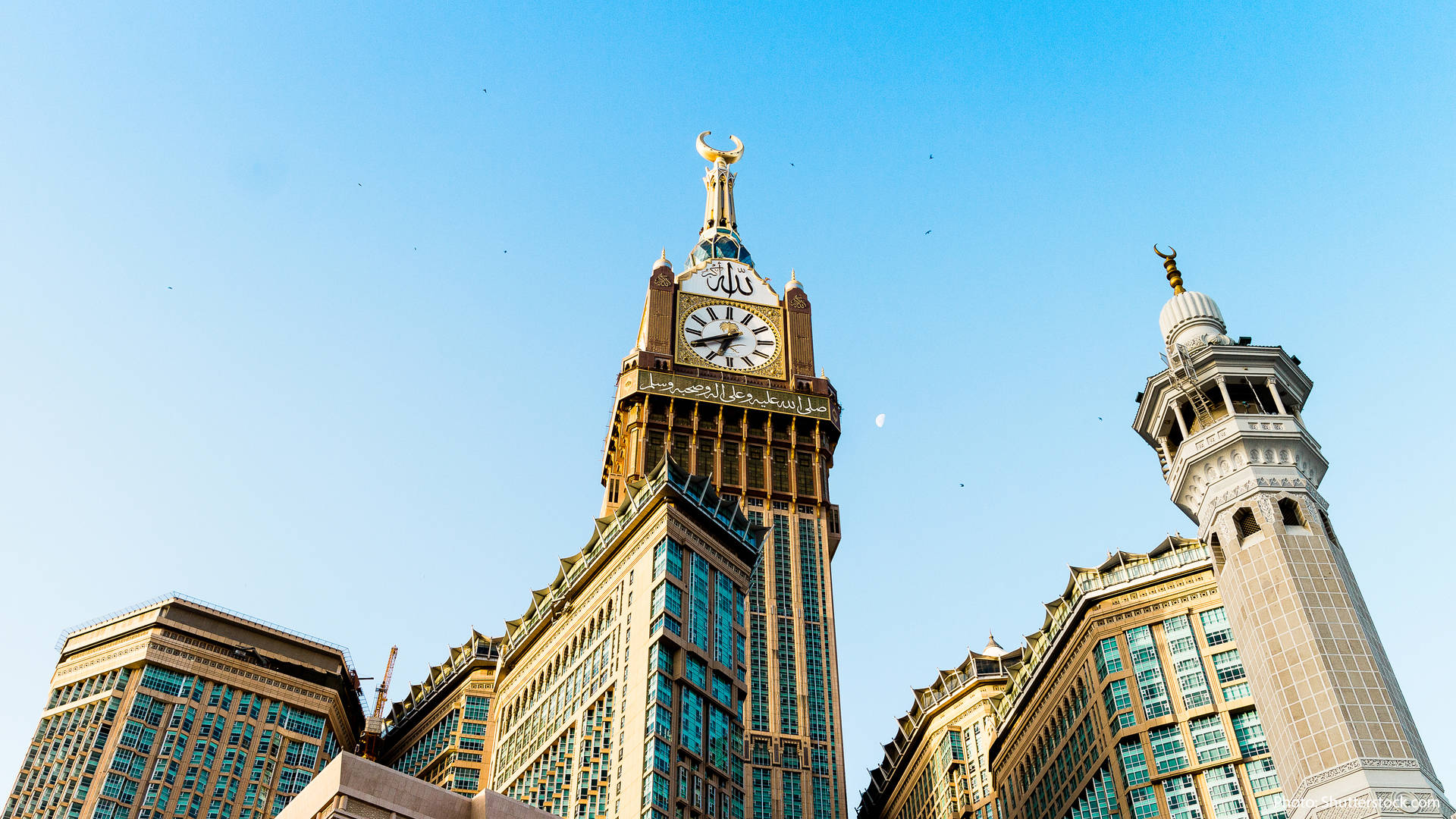
The hospitality sector in the Kingdom of Saudi Arabia is witnessing remarkable development at all levels. This growth is driven by Vision 2030, which aims to position the Kingdom as a global tourist destination offering visitors from around the world the best possible experience.
Among the significant improvements introduced by the Kingdom to support this sector are the implementation of the new Civil Code and the launch and continuous updating of the Saudi Building Code to meet the needs of the sector and achieve the objectives of Vision 2030.
In this article, we will explore hotel construction and development agreements, the legal risks involved in design and construction contracts, and the appropriate legal approaches to address and manage these risks effectively.
About Hotel Construction and Development Agreements
Hotel construction and development agreements refer to contracts that govern the relationship between the project owner, the real estate developer, the contractor, and the designer in the process of constructing a new hotel or developing an existing one. These agreements regulate the relationship from its inception until the hotel is delivered fully ready for operation, in accordance with the standards defined and agreed upon by the main parties to the agreement.
Recently, hotel construction and development agreements have become more regulated following the Kingdom’s implementation of the Saudi Building Code, which specifies design and safety requirements for all buildings, and the issuance of the new Civil Code in 2023, which establishes clear legal frameworks for contractual relationships.
Legal Risks in Design and Construction Contracts (3)
Legal risks refer to any losses incurred by any of the contracting parties involved in the construction or development of a hotel as a result of non-compliance with regulations and laws, or a breach of the established and applicable rules. These losses may include financial penalties, damage to the hotel's reputation in the market, or loss of customers.
Among the most common legal risks are contractual risks, which arise when parties fail to adhere to the terms of their contract, withdraw from the agreed-upon project, fail to deliver the project on time, or deliver it with specifications below the required quality or different from those agreed upon in the contract.
In such cases, the aggrieved party has the right to file a lawsuit against the party responsible for the breach and demand compensation for the damages incurred. Some of the most common problems that occur in contracts include:
- Delays in project execution: These may occur for various reasons, such as changes or additional requests from the project owner, delays in material supply, poor planning and management, or unforeseen circumstances. In such cases, a delay penalty may be imposed, or the contractor may be granted an extension if it is proven that the delay was due to reasons beyond their control. The aggrieved party may also terminate the contract and claim compensation.
- Failure to meet specifications or quality standards: If the contractor fails to comply with the agreed-upon specifications, the owner has the right to notify the contractor of the defects and demand rectification or compensation.
- Obligation of delivery: In most projects, there are two stages of delivery — initial and final. Upon delivery, tests are conducted to verify compliance with specifications and quality standards. The contract should include post-delivery provisions to ensure the right to repair any defects that may arise after delivery and to generally protect the owner’s rights following a complete review of the project.Top of Form
Minimizing Legal Risks in Design and Construction Contracts
To avoid these risks from the outset, the following legal recommendations should be considered when drafting contracts:
- Precise and comprehensive contract drafting: Clearly define the responsibilities of all parties, and include clauses related to penalties and guarantees, the right to modify the design, the project timeframe, the handover mechanism, and acceptance criteria.
- Ensuring compliance with the Saudi Building Code: The contract should obligate the contractor to comply with the Saudi Building Code and its implementing regulations.
- Clarifying mechanisms for handling delays: Specify which party will bear any additional costs resulting from modifications, and outline the conditions under which an extension may be requested.
- Legal review before signing the contract: Consult a lawyer who specializes in design and construction contracts to review the contract, confirm its validity, and ensure compliance with Saudi law.
- Specifying guarantees and insurance: Require bank guarantees or insurance coverage against construction defects, as well as performance and execution guarantees.
- Defining the dispute resolution mechanism: It is essential to specify the arbitration or other dispute resolution mechanisms that will be applied in the event of a disagreement.
Saudi Building Code (4)
Understanding the requirements of the Saudi Building Code is essential to ensure the success of any project and to avoid violations or delays in its completion. But first — what is the Saudi Building Code?
The Saudi Building Code is a set of regulations, standards, and technical requirements that govern construction and building operations in the Kingdom of Saudi Arabia. It was developed by the National Committee for the Saudi Building Code as part of the Kingdom’s Vision 2030, with the aim of improving quality of life and enhancing sustainability within the construction sector.
The Code encompasses a wide range of technical requirements covering all aspects of construction — from architectural and structural design, to safety and fire prevention systems, as well as sustainability and energy efficiency standards.
The concept of creating a unified building code in the Kingdom began in 2000, and the National Committee for the Saudi Building Code was established in 2003. Since then, the Code has undergone multiple stages of development and updates to meet the evolving needs of the sector.
The Main Stages in the Development of the New Saudi Building Code
Stage 1: From the date the system took effect until the end of Dhul-Hijjah 1440 AH (31 August 2019) – applied to government administrative buildings, high-rise buildings (over 23 m), hospitals, and hotels.
Stage 2: Until the end of Dhul-Hijjah 1441 AH (20 August 2020) – additionally applied to mosques, sports facilities, educational buildings, commercial complexes, telecom towers, industrial facilities, buildings under 23 m, and high-risk structures.
Stage 3: Until the end of Dhul-Hijjah 1442 AH (10 August 2021) – additionally applied to wedding halls, cinemas, theatres, healthcare centers, serviced apartments, inns, residential buildings, and recreational facilities.
Stage 4: Until the end of Dhul-Hijjah 1443 AH (30 June 2022) – additionally applied to business buildings such as airports, banks, television stations, and postal facilities.
Stage 5: Until the end of Dhul-Hijjah 1444 AH (18 June 2023) – applied to all building types classified under the Saudi Building Code.
Requirements of the New Saudi Building Code for Hotels
The new Saudi Building Code establishes several specific requirements for commercial buildings such as shopping malls and hotels. The most important of these include fire safety requirements, accessibility and mobility standards, mechanical systems requirements, and architectural design specifications.
It is also essential to obtain the necessary licenses before commencing any project, as the new Saudi Building Code has introduced specific procedures for acquiring these licenses. Below, we outline these procedures and requirements.Top of Form
Required Documents for Obtaining a Building Permit
Obtaining a building permit under the new Saudi Building Code requires the submission of several key documents, including:
- Land Ownership Deed: Must be valid and certified by a notary public.
- Site Plan: Issued by the relevant municipality, indicating the planning and building requirements.
- Engineering Drawings: These include architectural drawings, structural drawings, electrical system drawings, mechanical system drawings, and fire safety and fire-fighting system drawings.
- Soil Test Report: To determine the appropriate type of foundation for the project.
- Energy Efficiency Calculations: Demonstrating the building’s compliance with the energy efficiency requirements of the Code.
- Commitment Letter from the Engineering Office: Confirming supervision of the project’s execution in accordance with the approved drawings.
- Commitment Letter from the Contractor: Confirming adherence to all requirements of the new Saudi Building Code.Top of Form
Authorities Responsible for Issuing Building Permits
You can obtain building permits from the following authorities:
- Ministry of Municipal and Rural Affairs and Housing: Responsible for issuing building permits for residential and commercial projects.
- Saudi Standards, Metrology and Quality Organization: Responsible for approving materials and products used in construction.
- General Directorate of Civil Defense: Responsible for approving safety and fire prevention systems.
- Saudi Electricity Company: Responsible for approving electrical designs.
- National Water Company: Responsible for approving water and sanitation system designs.
Conclusion
In conclusion, hotel construction and development agreements in Saudi Arabia have significantly facilitated entry into and investment in the hospitality sector. If you wish to establish a new hotel or develop an existing one, the first step is to contact us. Our legal experts can help you understand the entire process and draft contracts accurately and professionally to ensure that all your rights are fully protected.
Disclaimer: This content is not legal advice. No liability is assumed. For legal consultation, please contact us.